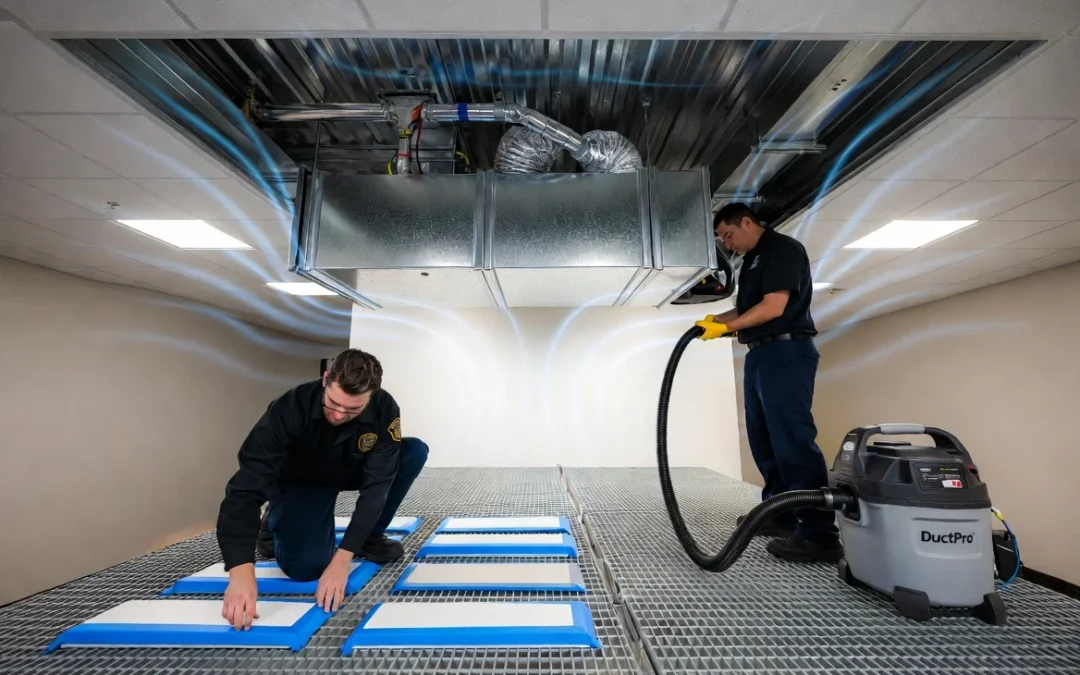
The right duct access panel location is determined by the work a technician needs to perform, not simply by where there happens to be room on the duct. A panel may be physically close to a damper, coil, filter, fan, or inspection area and still be poorly positioned if...
A rotary brush that works perfectly on 26-gauge sheet metal can shred a flex duct liner in under ten seconds. Most contractors do not find this out in a controlled setting. They find it out mid-job, staring at a torn inner liner and a customer asking why there is now...
A technician pulls the access panel, shines a light down the trunk line, and sees bare metal. No dust. No debris. By every visual standard, the job looks finished. Then someone checks the registers with an anemometer and finds airflow still sitting 12% below design....
Register blocking looks simple from the outside. Tape or a cap goes over an opening, and airflow supposedly “goes where you want it to.” Contractors who treat it that casually usually end up with uneven soil removal, unexpected leakage paths, or a system...
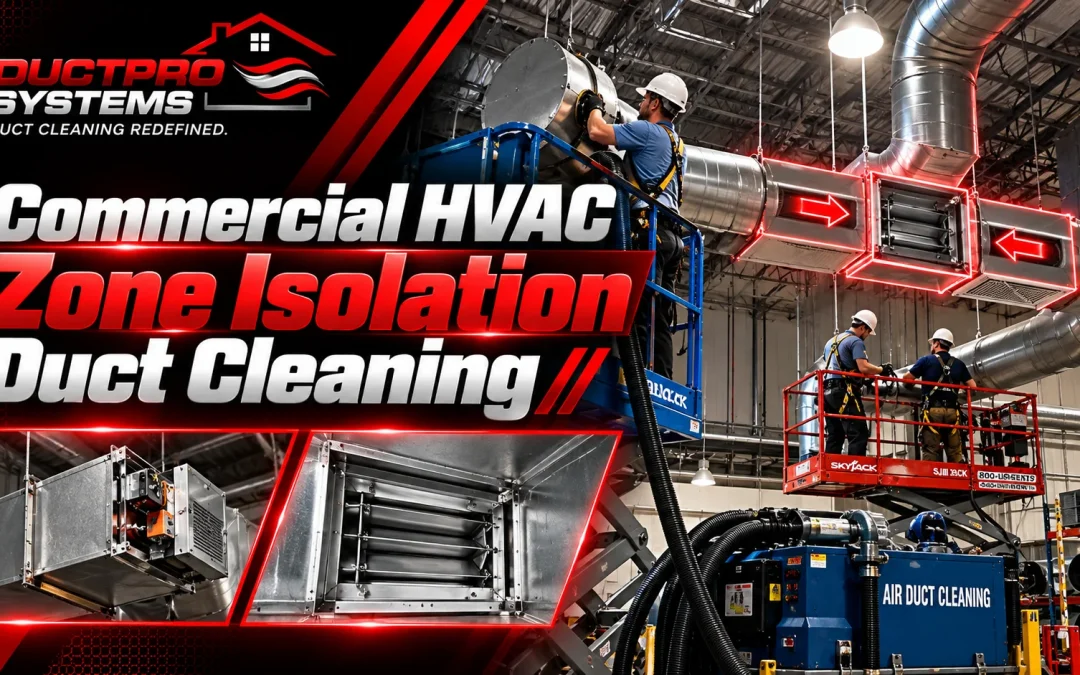
Most failed commercial duct cleanings don’t fail because the vacuum is too small. They fail because the technician asked one machine to hold negative pressure across an entire building’s worth of open ductwork at once. Air takes the path of least resistance. With...
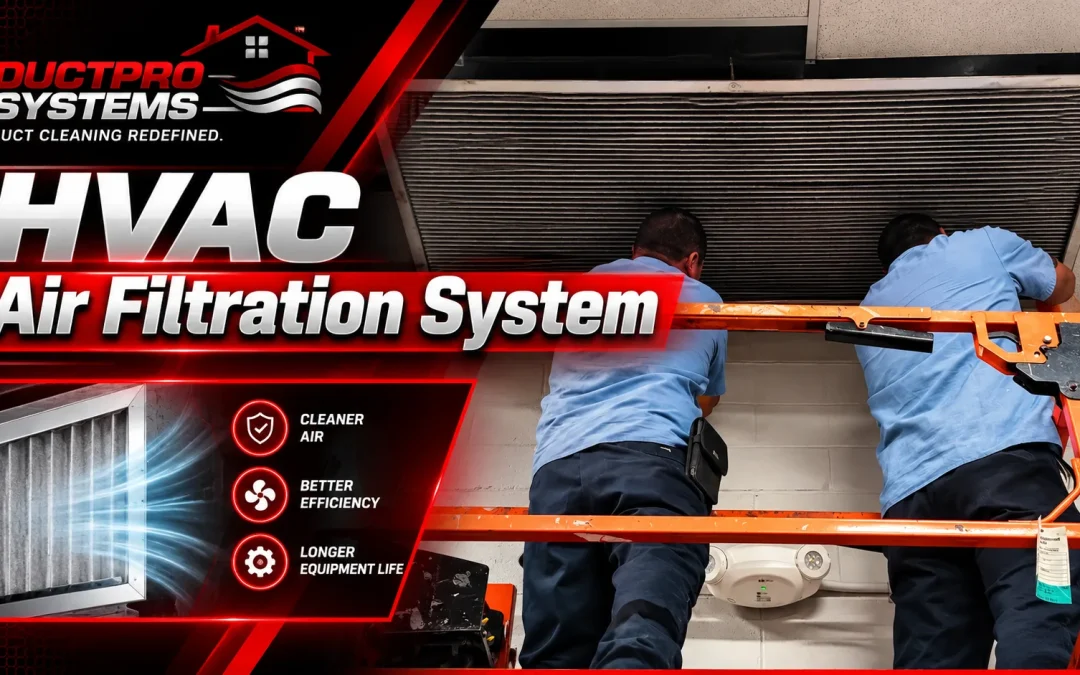
A clean filter is not the problem. A loading filter is. The moment particulate starts stacking on the face of the media, resistance climbs, and every fan or vacuum motor pulling through that media fights a steeper curve, minute by minute. Commercial extraction crews...