by DuctPro™ | May 24, 2026
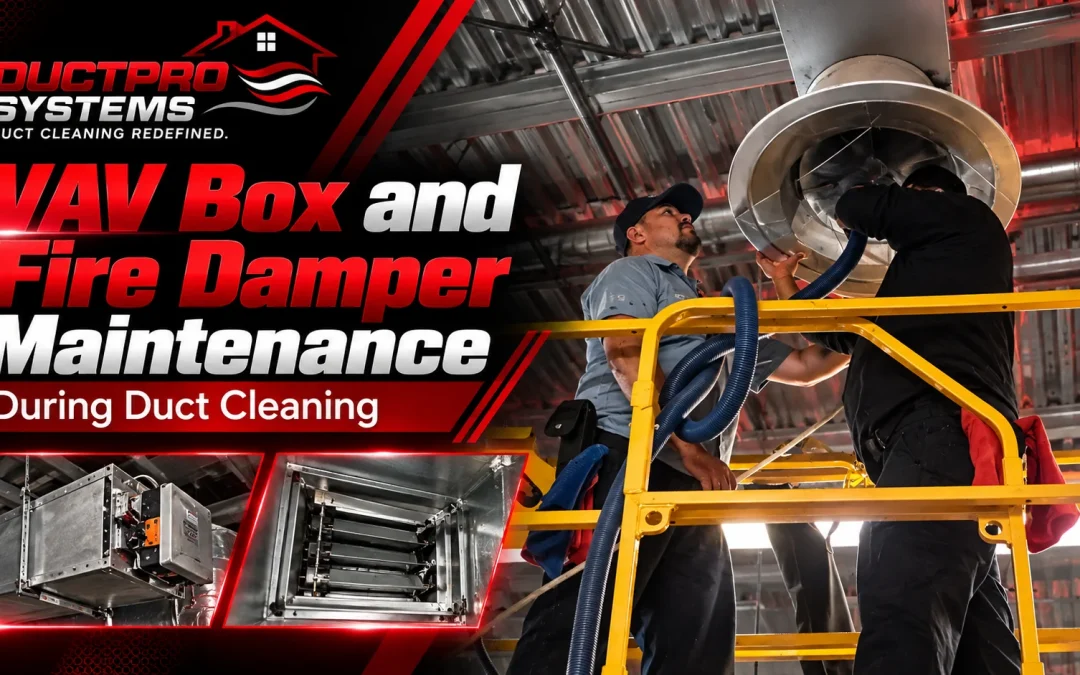
Commercial duct cleaning involves more than removing accumulated debris from sheet-metal surfaces. VAV boxes, flow-sensing arrays, fire dampers, smoke dampers, actuators, pneumatic control lines, and other terminal components can be located directly within or adjacent...
by DuctPro™ | May 24, 2026
Dirty ductwork is often blamed when an HVAC system appears to be working harder, delivering less air, or consuming more energy. The reality is more specific. Duct contamination can affect HVAC performance under certain conditions, particularly when deposits contribute...
by DuctPro™ | May 23, 2026
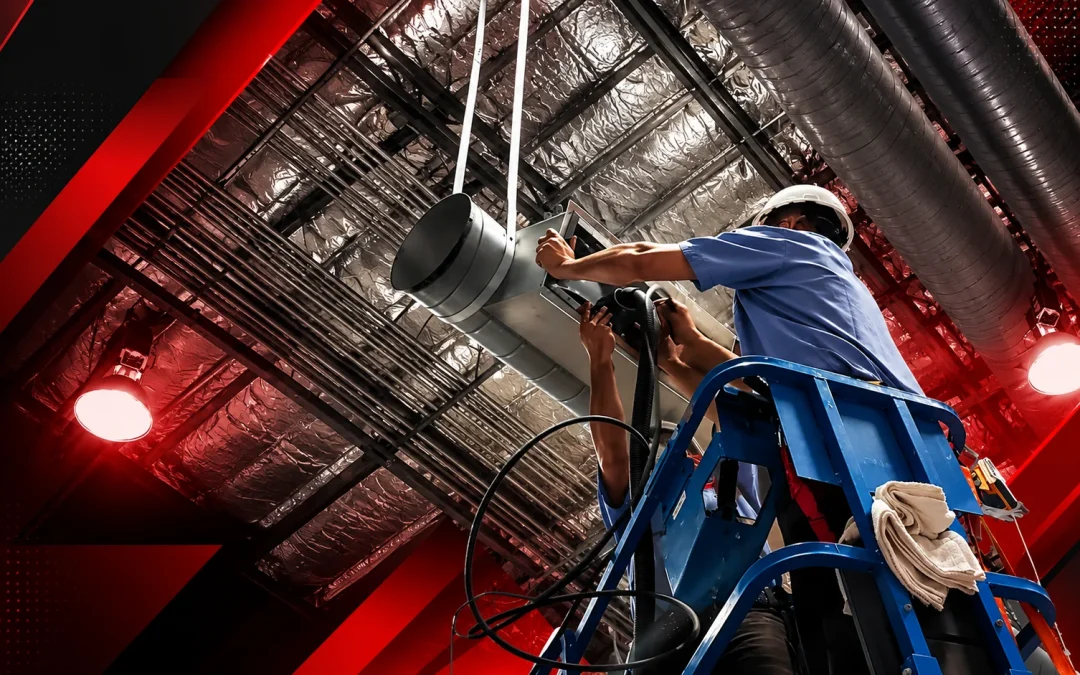
HVAC airflow balancing is a measurement-driven process used to determine how much air a system is delivering, identify where airflow differs from the intended design or operating requirements, and make appropriate adjustments. Duct condition can be part of that...
by DuctPro™ | May 23, 2026
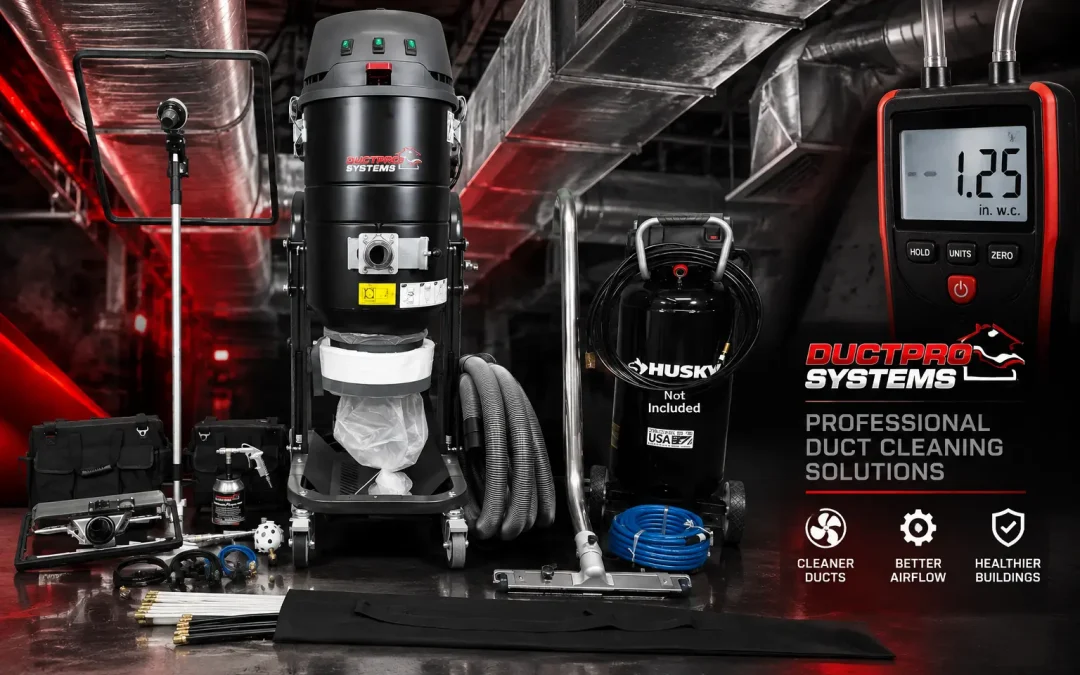
Static pressure is one of the most useful concepts for understanding why a duct cleaning vacuum performs differently from one job to another. It helps explain what happens between the vacuum inlet and the section of duct being cleaned, particularly when the extraction...
by DuctPro™ | May 23, 2026
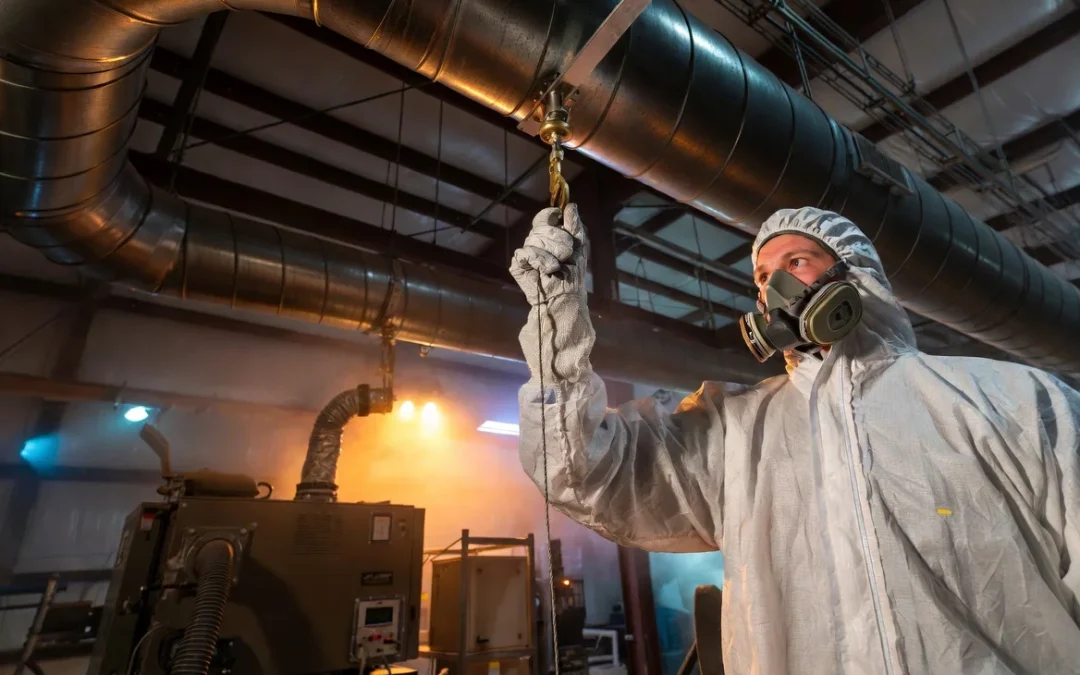
Industrial HVAC cleaning is not simply a larger version of commercial duct cleaning. Manufacturing plants introduce different contamination sources, larger and more complex duct systems, production constraints, access challenges, and, in some facilities, specific dust...
by DuctPro™ | May 19, 2026
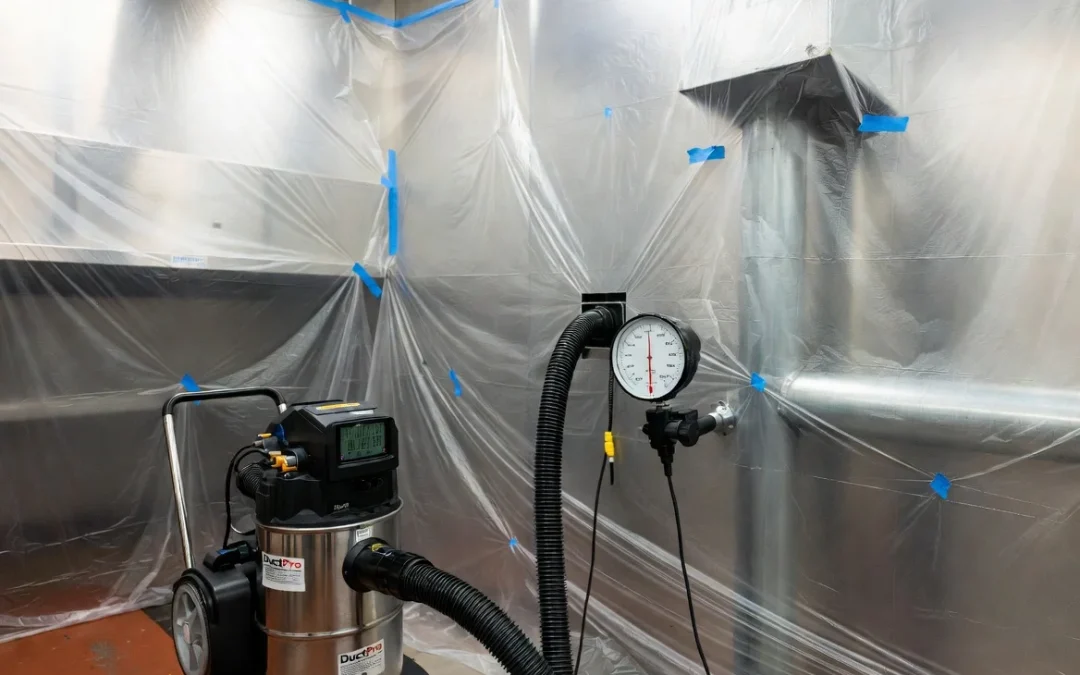
Restaurant HVAC duct cleaning requires a different approach from cleaning an ordinary residential or commercial air distribution system. A kitchen exhaust system can contain grease-laden deposits, particulate, and other residues that adhere to interior surfaces and...