by DuctPro™ | Jul 27, 2026
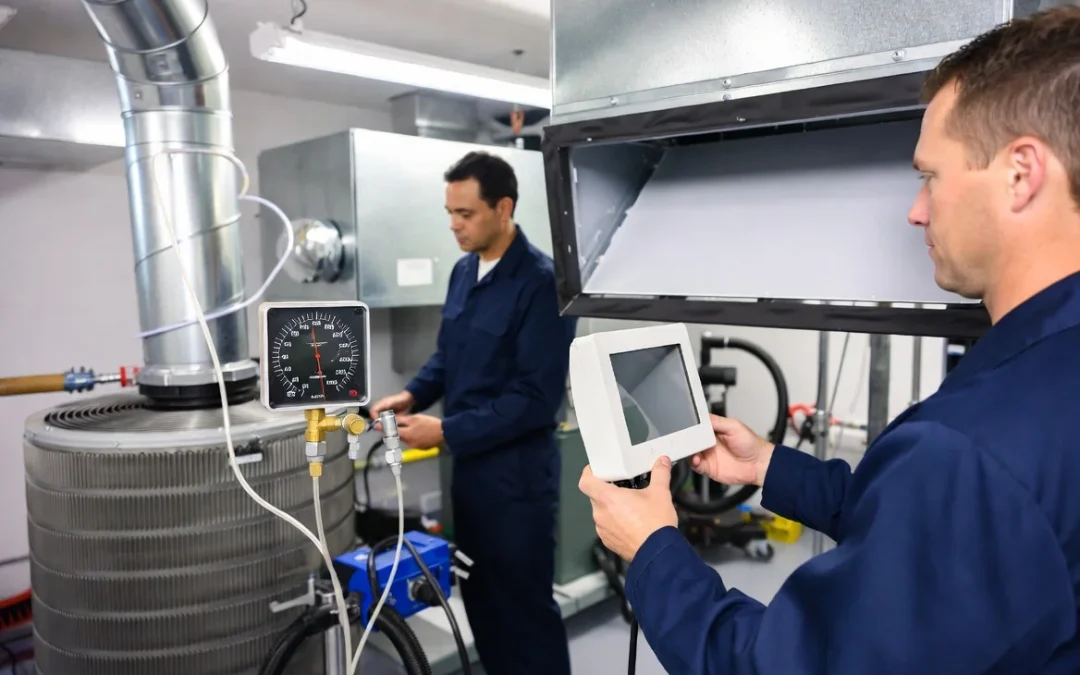
A technician pulls the access panel, shines a light down the trunk line, and sees bare metal. No dust. No debris. By every visual standard, the job looks finished. Then someone checks the registers with an anemometer and finds airflow still sitting 12% below design....
by DuctPro™ | Jul 25, 2026
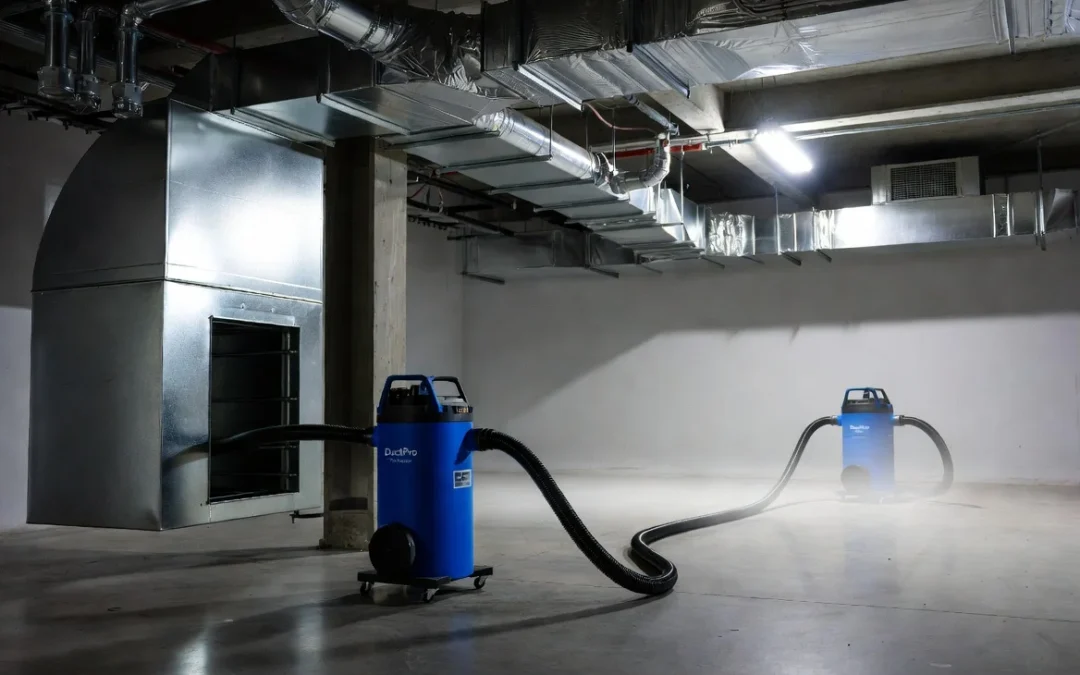
Most contractors troubleshoot weak suction by checking the machine. Filters, motor amperage, hose connections. Rarely do they walk back to where the unit is actually sitting. That is a mistake, because equipment placement is one of the few variables in a duct cleaning...
by DuctPro™ | Jul 24, 2026
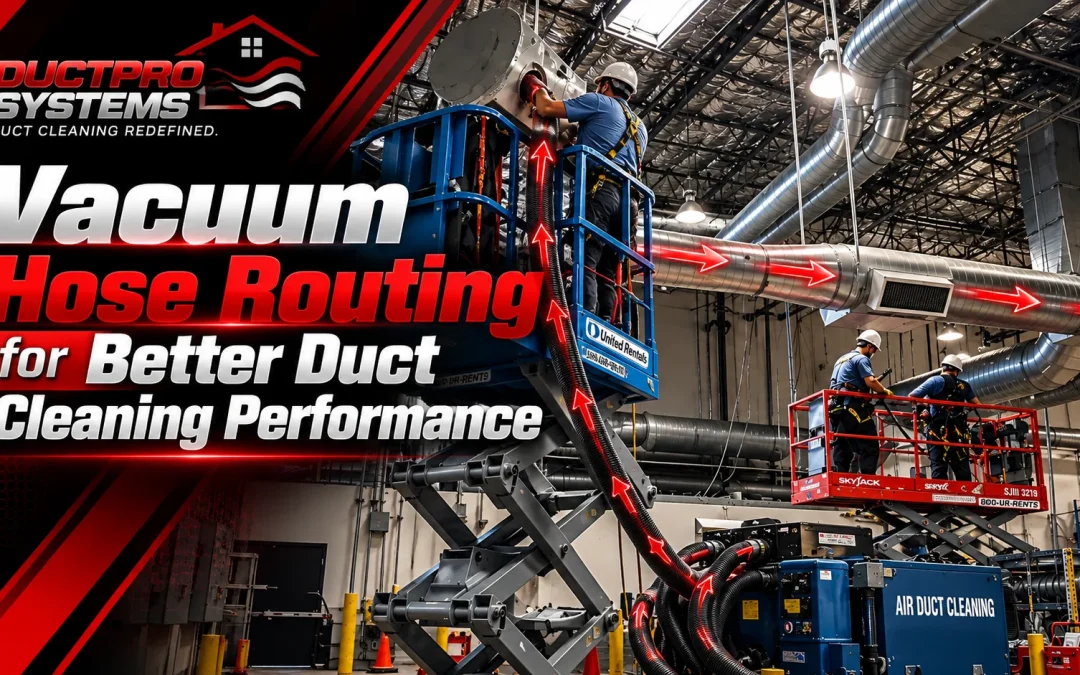
A vacuum system’s rated airflow does not necessarily equal the airflow available at the duct opening. Hose length, diameter, bends, connections, leakage, filters, and duct resistance can all affect the operating condition of the complete extraction path. Hose...
by DuctPro™ | Jul 24, 2026
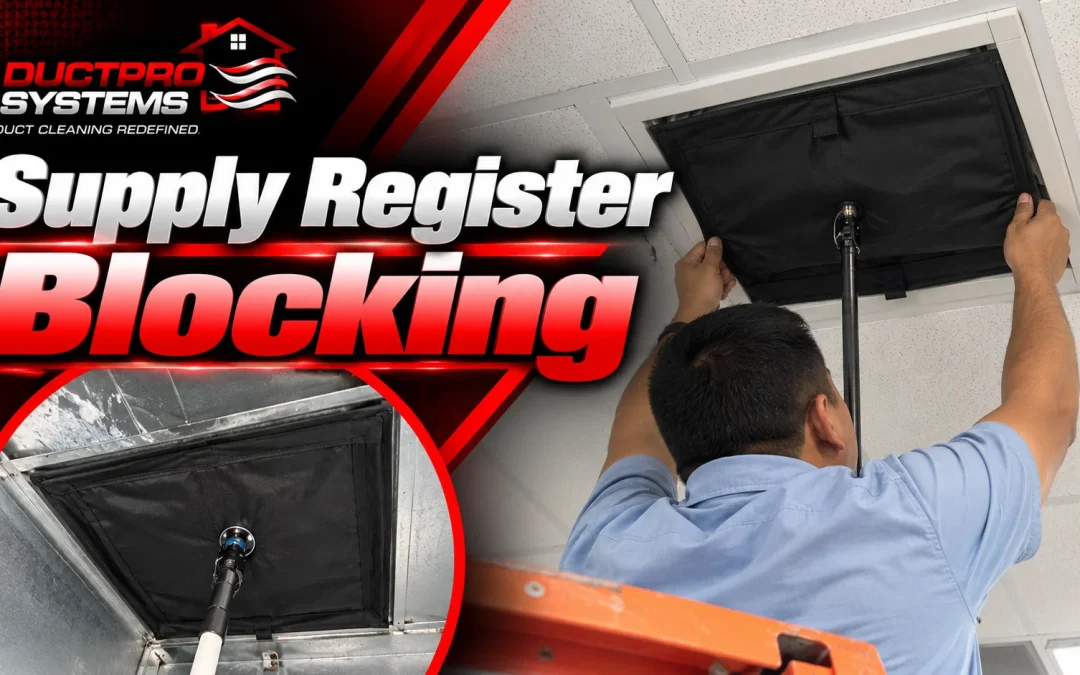
Covering supply registers looks like the simplest step on a duct cleaning job. You cover the openings, connect the vacuum, and start agitating. It is less simple than it looks. Every register you close or leave open changes the paths air can take toward the extraction...
by DuctPro™ | Jul 16, 2026
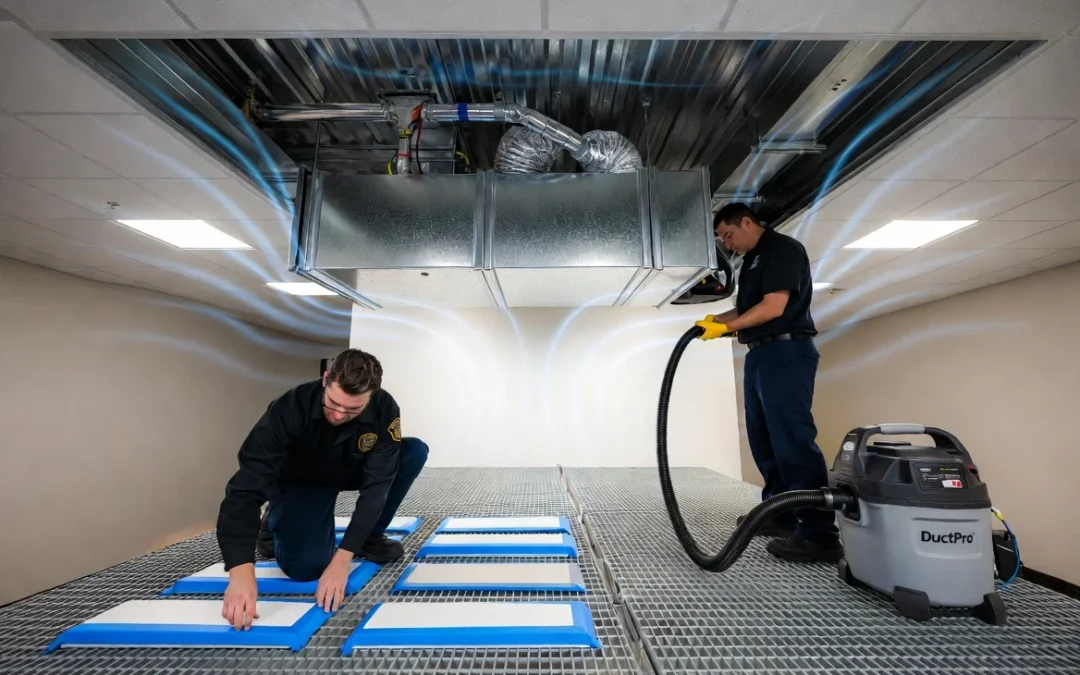
Register blocking looks simple from the outside. Tape or a cap goes over an opening, and airflow supposedly “goes where you want it to.” Contractors who treat it that casually usually end up with uneven soil removal, unexpected leakage paths, or a system...