by DuctPro™ | Sep 1, 2026
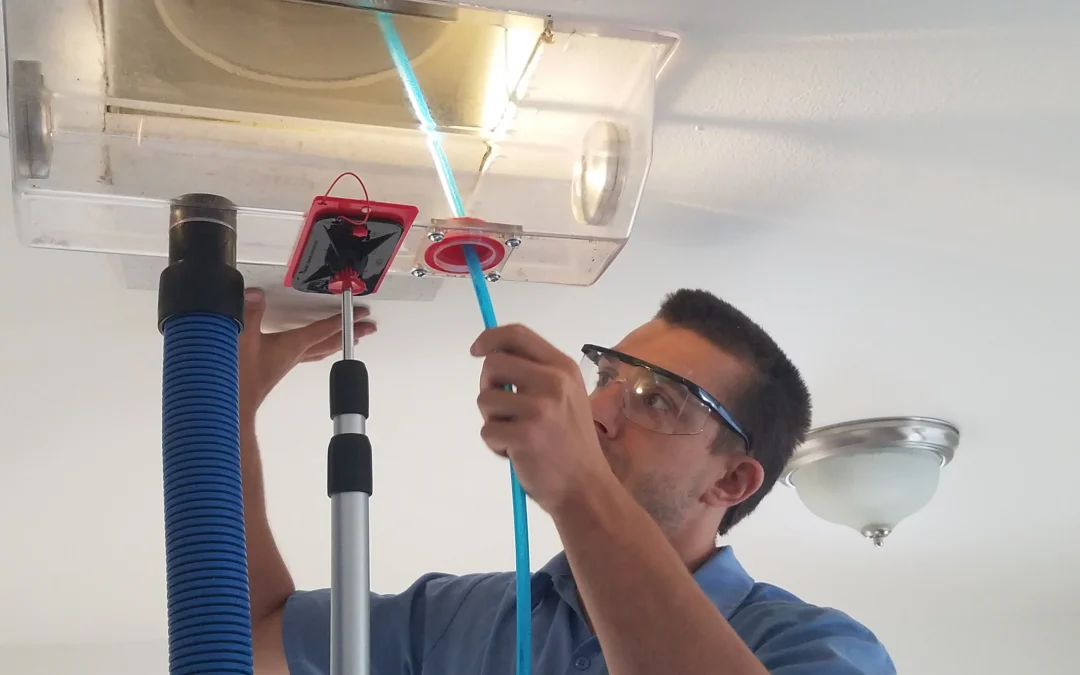
The right duct access panel location is determined by the work a technician needs to perform, not simply by where there happens to be room on the duct. A panel may be physically close to a damper, coil, filter, fan, or inspection area and still be poorly positioned if...
by DuctPro™ | Jul 27, 2026
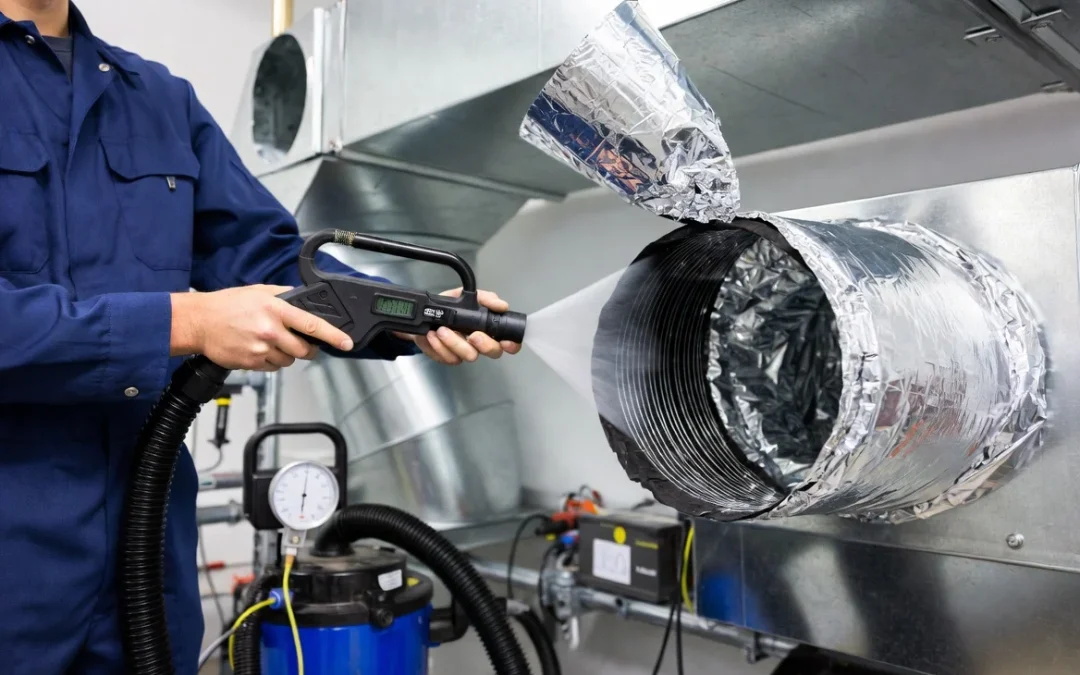
A rotary brush that works perfectly on 26-gauge sheet metal can shred a flex duct liner in under ten seconds. Most contractors do not find this out in a controlled setting. They find it out mid-job, staring at a torn inner liner and a customer asking why there is now...
by DuctPro™ | Jul 27, 2026
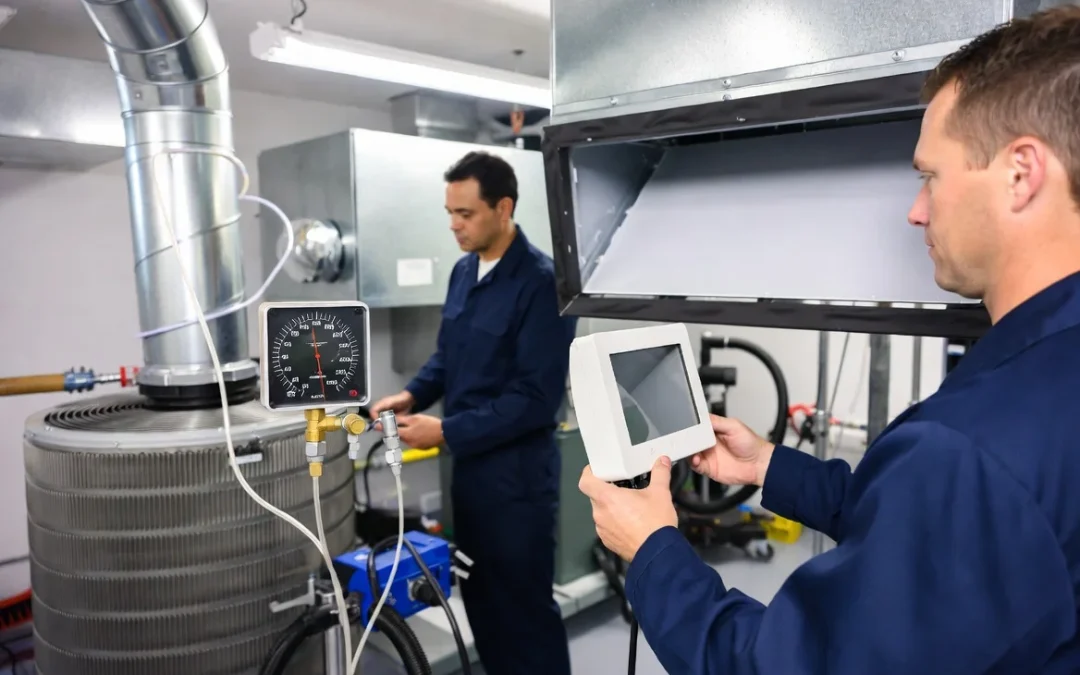
A technician pulls the access panel, shines a light down the trunk line, and sees bare metal. No dust. No debris. By every visual standard, the job looks finished. Then someone checks the registers with an anemometer and finds airflow still sitting 12% below design....
by DuctPro™ | Jul 25, 2026
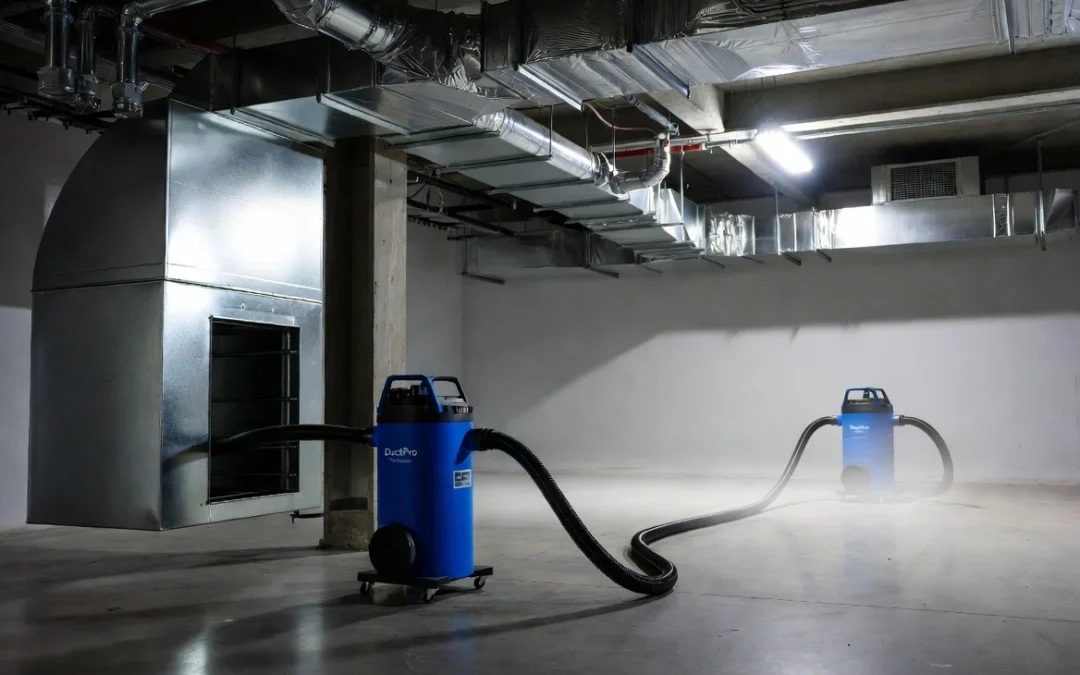
Most contractors troubleshoot weak suction by checking the machine. Filters, motor amperage, hose connections. Rarely do they walk back to where the unit is actually sitting. That is a mistake, because equipment placement is one of the few variables in a duct cleaning...
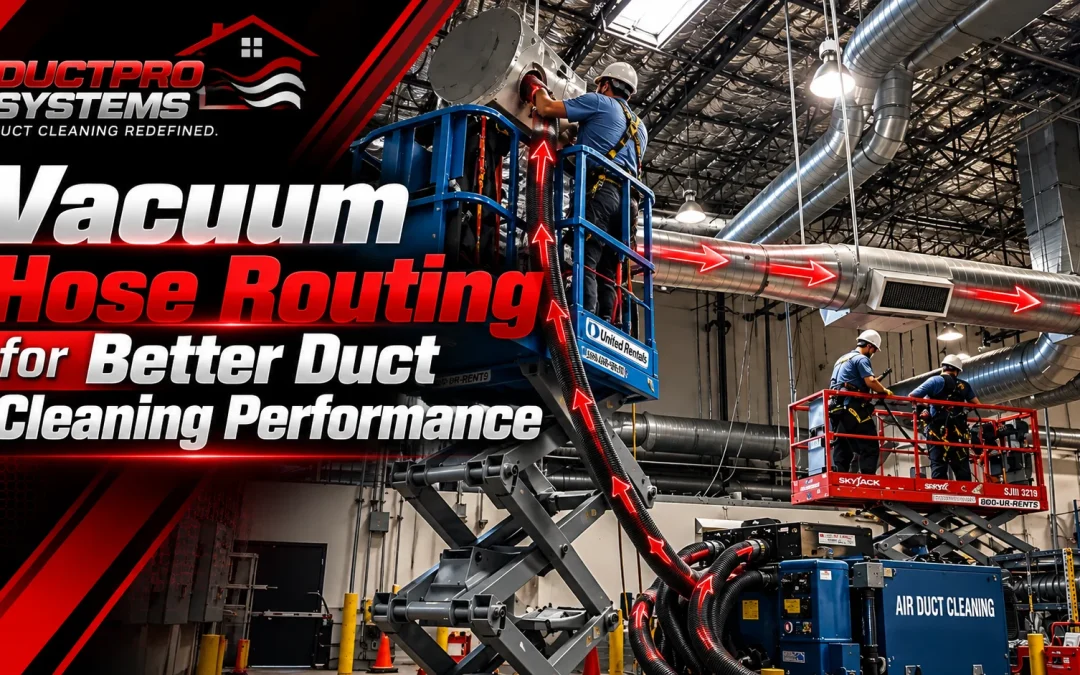
by DuctPro™ | Jul 24, 2026
A vacuum system’s rated airflow does not necessarily equal the airflow available at the duct opening. Hose length, diameter, bends, connections, leakage, filters, and duct resistance can all affect the operating condition of the complete extraction path. Hose...