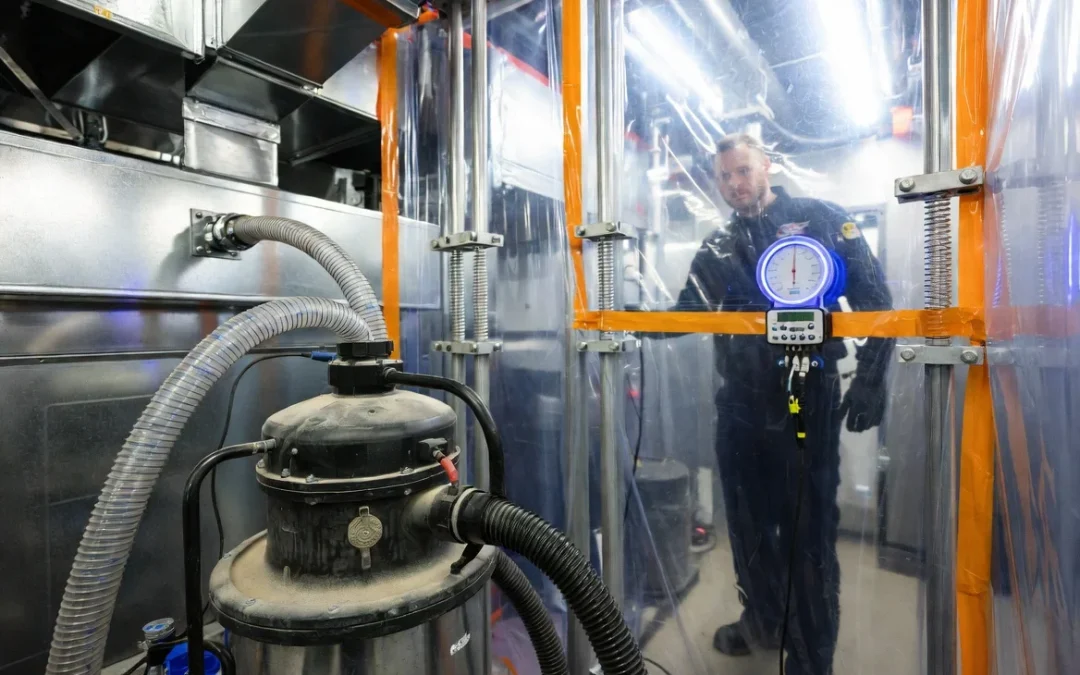
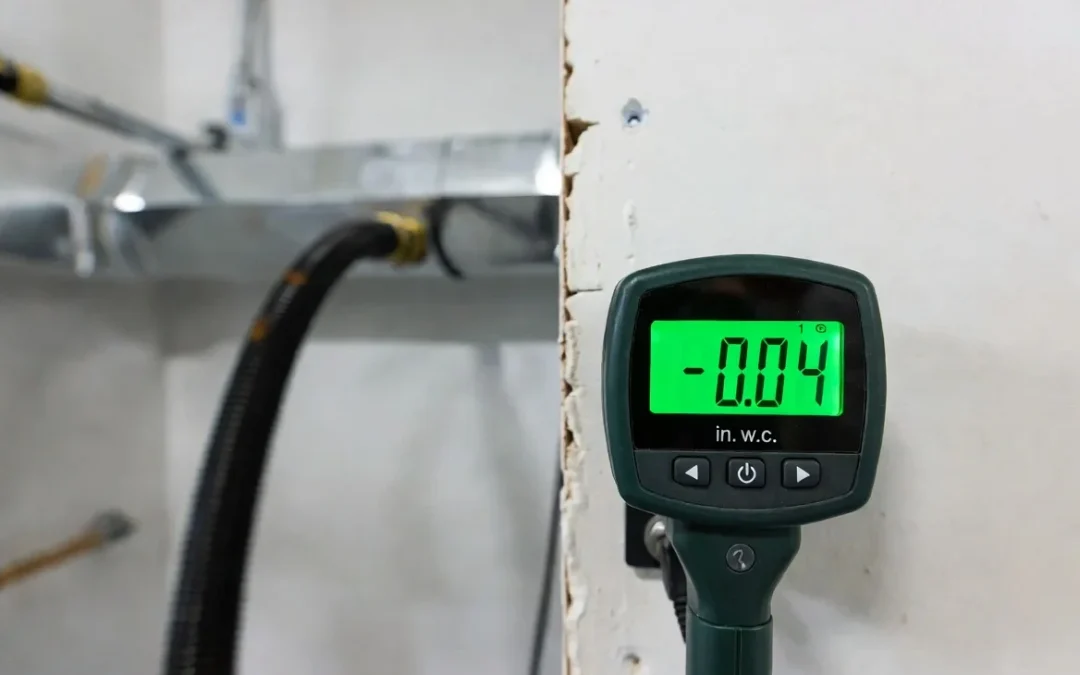
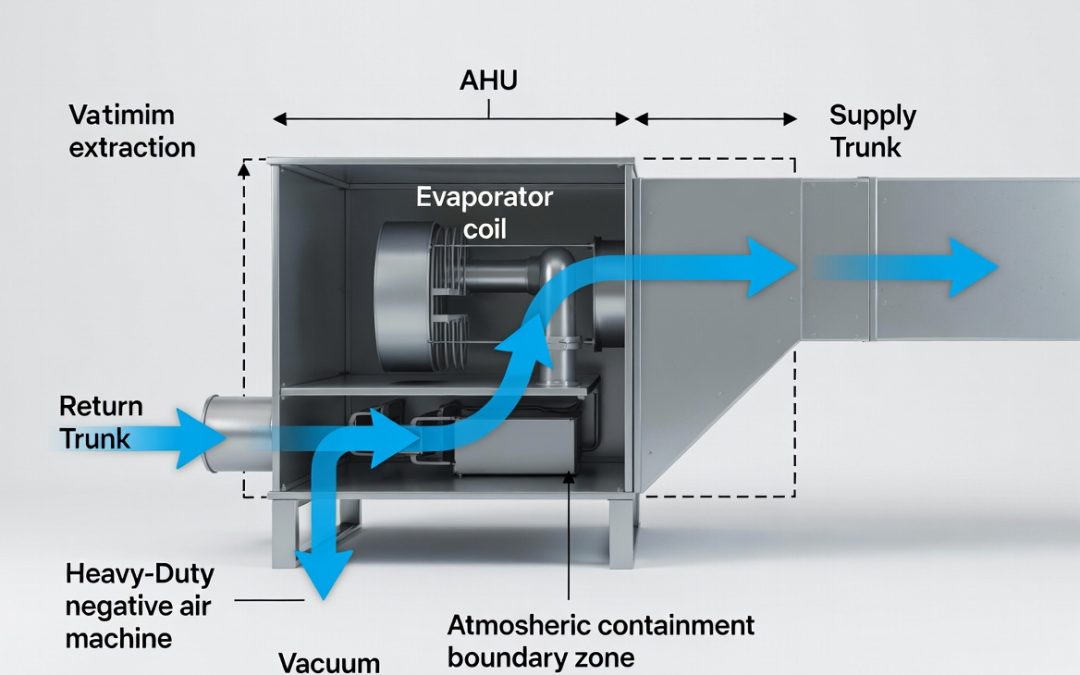
When a duct system is placed under negative pressure for cleaning, return air leakage and supply air leakage are no longer governed by the same pressure conditions they experience during normal HVAC operation. That distinction is the key to diagnosing extraction...
Containment failure is the single most common reason a duct cleaning job generates an immediate callback. Debris that escapes the work zone during high-velocity mechanical agitation does not disappear; it resettles in return air paths, redistributes into occupied...
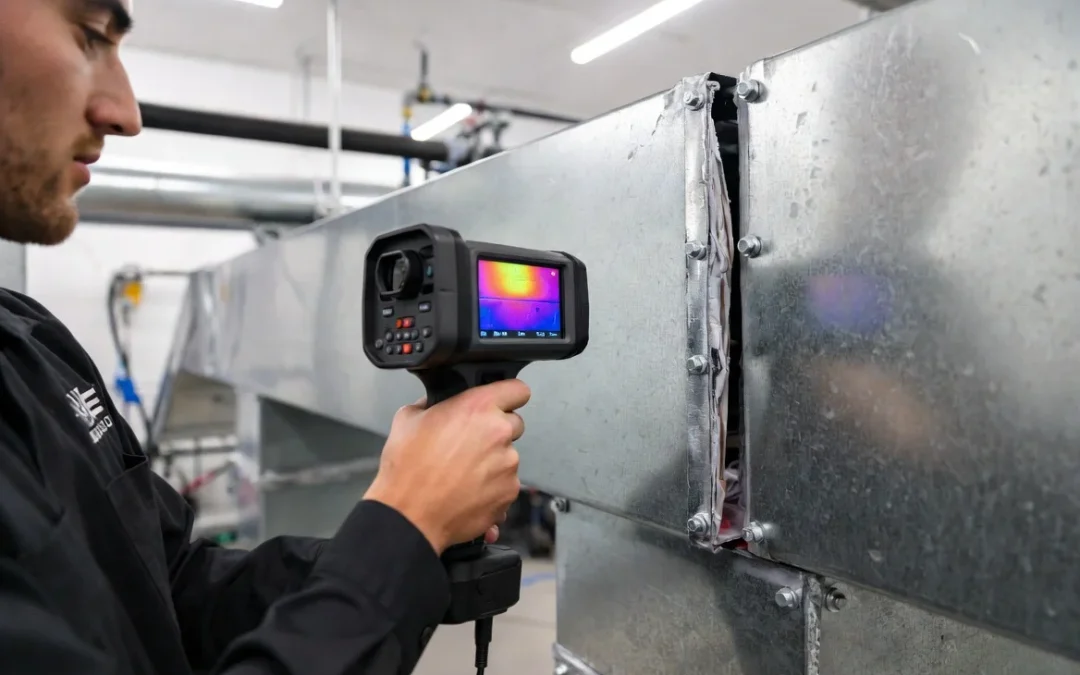
A duct system with a 15% leakage rate is not 15% less efficient. It is functionally broken for extraction purposes. A meticulous duct leakage inspection exists because a leaky trunk line does not behave like a slightly weaker version of a sealed one. It behaves like a...
Negative pressure is not a switch you flip. It is a verifiable engineering state, a closed envelope where air is measurably moving from the surrounding space into the ductwork, and nowhere else. Guessing does not qualify. Turning on the vacuum and assuming containment...
The sequencing debate inside commercial duct cleaning is not a stylistic preference. It is a fluid dynamics problem with a correct answer, and the wrong answer deposits dislodged particulate directly onto your client’s evaporator coil, blower wheel, or heat...
Most residential HVAC contractors leave $3,000 to $5,000 per month on the table. Not because they lack the skills. Because they have not structured their service menu around high-velocity, low-labor add-ons. Full-system duct remediation jobs are profitable, but they...